

Cover of El misterio de los cambios cotidianos
Story languageEnglishEspañol
ChemistryCambios físicos y químicos

El misterio de los cambios cotidianos

By Vaishnavi Renduchintala · Ages 8-15 PDF Book Free

No reviews yet — be the first!

Maya y Arjun exploran momentos cotidianos en la cocina con mamá — derretir hielo, tostar pan, limonada, velas y óxido — y aprenden a distinguir los cambios físicos de los químicos preguntándose: ¿se formó una sustancia nueva?

People who read this book also read

Cover of The Secret of the Charged Kingdom
ChemistryIons, Cations, and Anions

The Secret of the Charged Kingdom

Riya and Kabir enter Ionora, the Kingdom of Ions, with their robot guide Sparky. Through glowing castles, electron-exchange bridges, and crystal lessons, they discover how atoms become charged: lose an electron to form a cation, or gain an electron to form an anion.
By Vaishnavi Renduchintala · Ages 8-15

FreePDFNo reviewsView More
Cover of The Atom's Family Tree
ChemistryAtomic Number, Mass Number, and Isotopes

The Atom's Family Tree

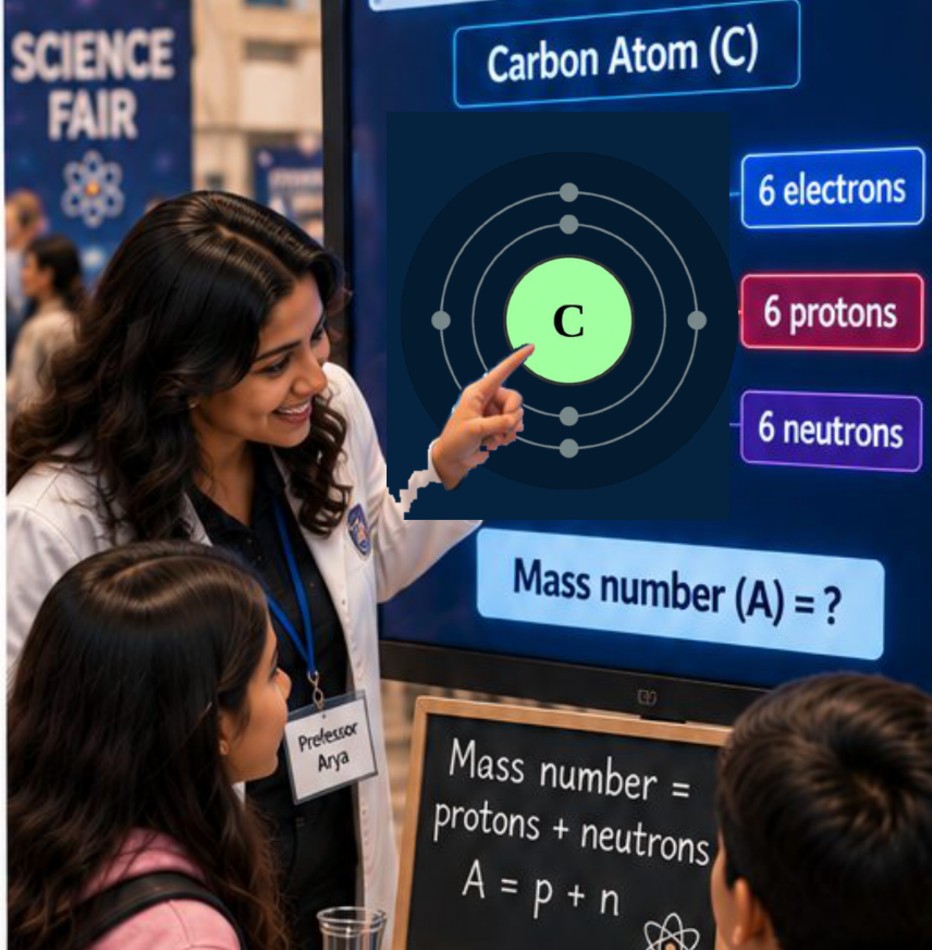
At a science fair booth called The Atom Detective Agency, Anika and Rohan learn atomic number, mass number, and isotopes — and how atoms of the same element can have different numbers of neutrons.

By Vaishnavi Renduchintala · Ages 8-15

FreePDFNo reviewsView More
Cover of The Mystery of the Electron Shells
ChemistryBohr's Atomic Model, Electronic Configuration, and Valency

The Mystery of the Electron Shells

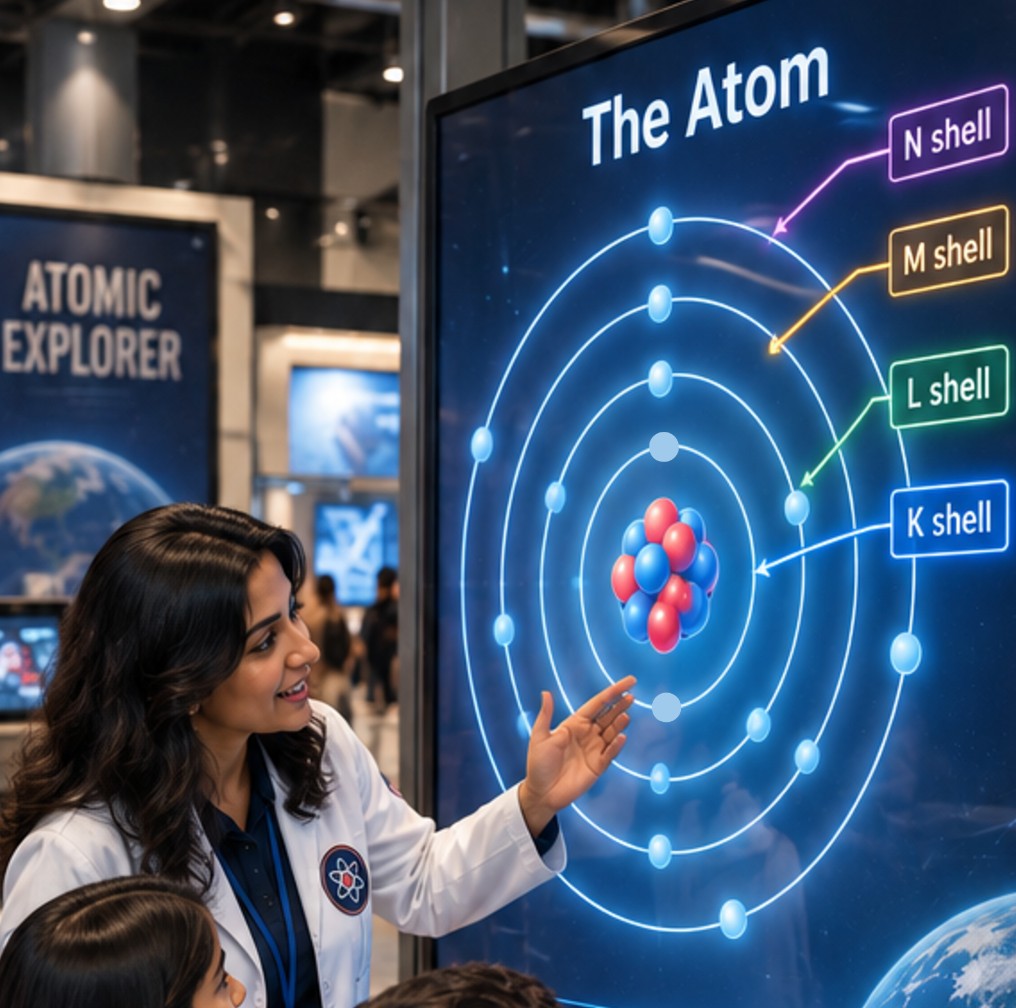
Tara and Neil explore the Atomic Explorer and learn Bohr’s atomic model — electron shells K, L, M, and N — plus electronic configuration, valence electrons, and how valency helps atoms combine.

By Vaishnavi Renduchintala · Ages 8-15

FreePDFNo reviewsView More

🔬 Science Element

Un cambio físico altera la forma, el tamaño o el estado sin formar una sustancia nueva (derretir hielo, cortar un limón, disolver azúcar). Un cambio químico produce una o más sustancias nuevas (tostar pan, quemar cera, oxidar hierro). Algunos cambios físicos son reversibles; los químicos suelen no serlo. En un sistema cerrado, la masa se conserva en ambos tipos de cambio.

Rate this story

Your rating (required)

Reader reviews

No written reviews yet.