

Cover of The Mystery of Everyday Changes
Story languageEnglishEspaΓ±ol
ChemistryPhysical and Chemical Changes

The Mystery of Everyday Changes

By Vaishnavi Renduchintala Β· Ages 8-15 PDF Book Free

No reviews yet β€” be the first!

Maya and Arjun explore everyday kitchen moments with Mom β€” melting ice, toasting bread, lemonade, candles, and rust β€” and learn to tell physical changes from chemical ones by asking: was a new substance formed?

People who read this book also read

Cover of The Secret of the Charged Kingdom
ChemistryIons, Cations, and Anions

The Secret of the Charged Kingdom

Riya and Kabir enter Ionora, the Kingdom of Ions, with their robot guide Sparky. Through glowing castles, electron-exchange bridges, and crystal lessons, they discover how atoms become charged: lose an electron to form a cation, or gain an electron to form an anion.
By Vaishnavi Renduchintala Β· Ages 8-15

FreePDFNo reviewsView More
Cover of The Atom's Family Tree
ChemistryAtomic Number, Mass Number, and Isotopes

The Atom's Family Tree

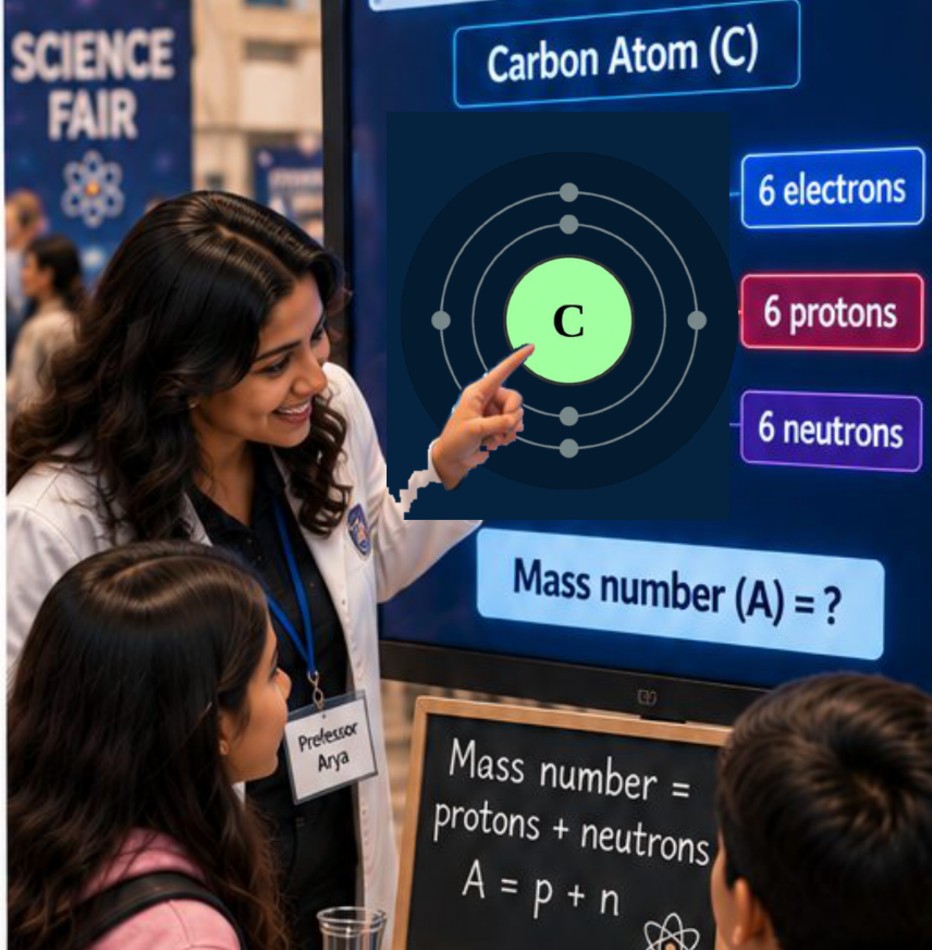
At a science fair booth called The Atom Detective Agency, Anika and Rohan learn atomic number, mass number, and isotopes β€” and how atoms of the same element can have different numbers of neutrons.

By Vaishnavi Renduchintala Β· Ages 8-15

FreePDFNo reviewsView More
Cover of The Mystery of the Electron Shells
ChemistryBohr's Atomic Model, Electronic Configuration, and Valency

The Mystery of the Electron Shells

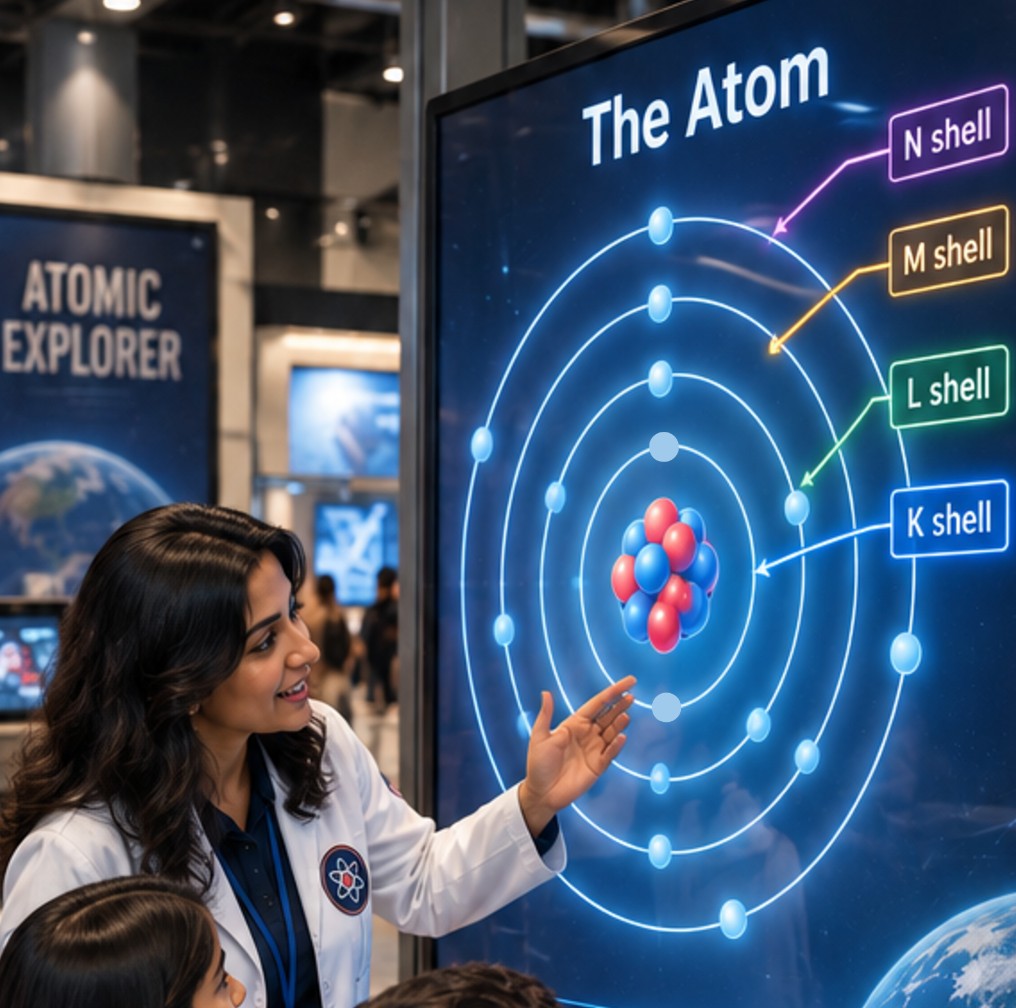
Tara and Neil explore the Atomic Explorer and learn Bohr’s atomic model β€” electron shells K, L, M, and N β€” plus electronic configuration, valence electrons, and how valency helps atoms combine.

By Vaishnavi Renduchintala Β· Ages 8-15

FreePDFNo reviewsView More

πŸ”¬ Science Element

A physical change alters shape, size, or state without forming a new substance (melting ice, cutting a lemon, dissolving sugar). A chemical change produces one or more new substances (toasting bread, burning wax, rusting iron). Some physical changes are reversible; chemical changes usually are not. In a closed system, mass is conserved in both kinds of change.

Rate this story

Your rating (required)

Reader reviews

No written reviews yet.